SMS Phishing (Smishing) | Why Telecom Networks Must Act Faster
SMS phishing, commonly called smishing, has become one of the fastest-growing fraud threats across global messaging networks. Attackers impersonate banks, delivery companies, government services, and trusted brands to trick subscribers into revealing sensitive information or clicking malicious links.
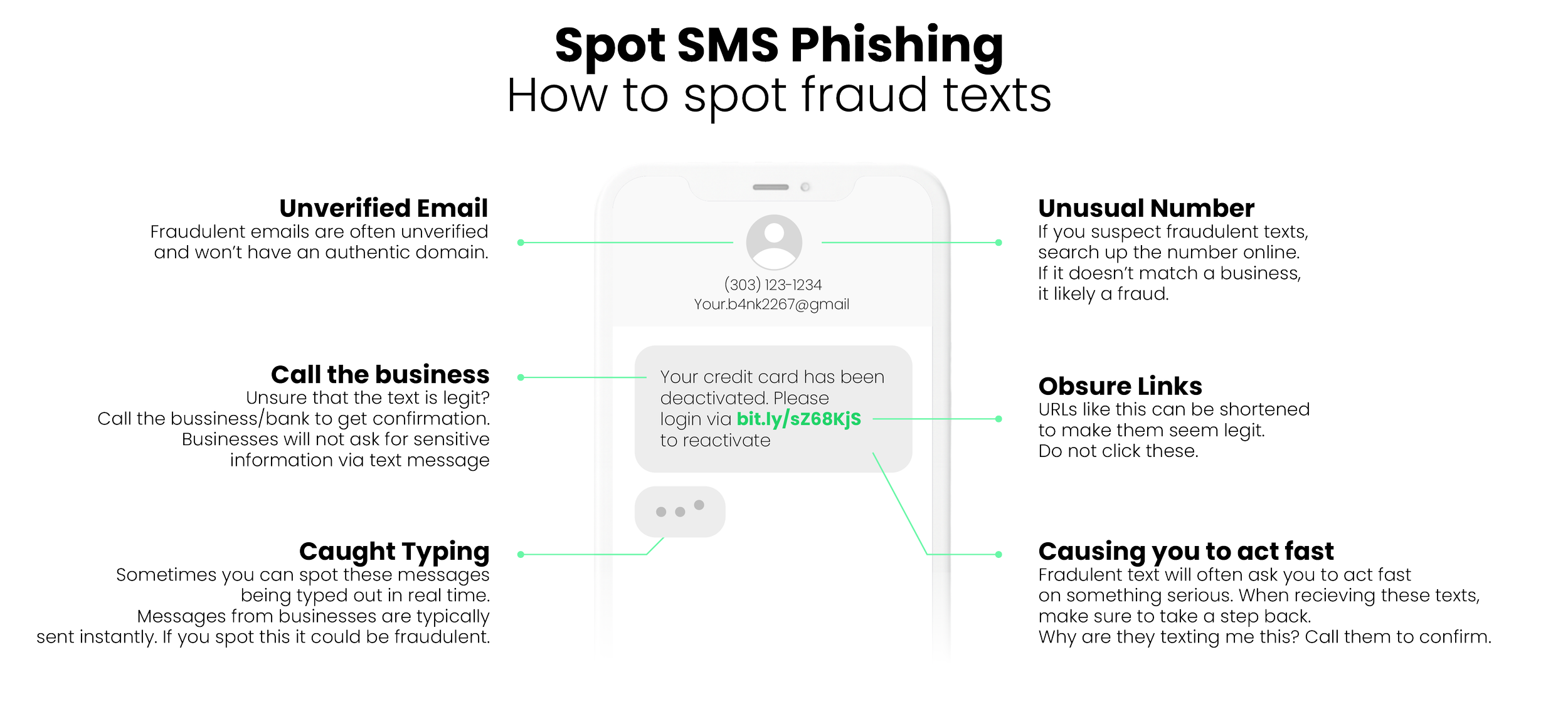
For telecom networks and messaging platforms, smishing is no longer just a security concern. It is an ecosystem trust issue. Every fraudulent message that reaches a subscriber erodes confidence in legitimate messaging services.
Despite years of filtering, blocking, and spam detection tools, smishing campaigns continue to scale. Fraudsters adapt quickly, rotating sender identities, exploiting international routes, and launching attacks faster than traditional detection systems can respond.
The result is clear. Telecom networks must move faster and rethink how messaging trust is enforced.
What Is SMS Phishing (Smishing)?
SMS phishing, or smishing, is a form of social engineering where attackers send fraudulent SMS messages designed to trick recipients into taking harmful actions.
Typical smishing messages attempt to:
Impersonate trusted brands or organisations
Create urgency or fear
Direct users to malicious websites
Request login credentials or financial details
Install malware or spyware
Common examples include:
Fake parcel delivery notifications
Fraudulent bank security alerts
Government refund messages
Account suspension warnings
Unlike email phishing, smishing has several advantages for attackers. SMS messages often appear more trustworthy to recipients, open rates are significantly higher, and mobile users are more likely to act quickly without verifying the sender.
Why Smishing Is Growing So Quickly
Smishing attacks are expanding rapidly because the messaging ecosystem was not originally designed to verify sender identity.
Several factors contribute to the problem.
1. Sender Identity Spoofing
Fraudsters can manipulate sender IDs to appear as legitimate organisations. In many cases the message appears to come from a well-known brand or service.
Without strong identity verification at the network level, it becomes difficult to distinguish legitimate traffic from malicious campaigns.
2. Global Messaging Routes
A large proportion of fraudulent traffic originates outside the country where the attack occurs. Messages can travel through multiple carriers and aggregators before reaching the destination network.
This routing complexity makes attribution and blocking much harder.
3. High Success Rates
SMS has extremely high open rates compared with email. Even if only a small percentage of recipients fall victim, large smishing campaigns can generate significant financial returns for attackers.
4. Rapid Campaign Deployment
Fraud groups can launch large-scale messaging campaigns in minutes. By the time traditional filtering detects suspicious traffic patterns, thousands of messages may already have been delivered.
Why Traditional Filtering Is Not Enough
Most telecom networks rely heavily on content filtering and traffic pattern analysis to detect smishing attempts. While these methods help reduce spam, they are reactive rather than preventative.
Several challenges limit their effectiveness.
Evasion Techniques
Fraudsters continuously modify message content to bypass filters. Minor changes to wording, punctuation, or URLs can allow messages to slip through detection systems.
Brand Impersonation
Attackers often impersonate legitimate businesses. If the sender ID appears credible, content filters may struggle to distinguish legitimate notifications from fraudulent messages.
Distributed Attacks
Modern smishing campaigns are frequently distributed across multiple routes and messaging platforms. This fragmentation makes it difficult for any single network to detect the full scope of the attack.
Speed of Execution
Filtering tools often identify suspicious activity only after a campaign has started. By that point, thousands of messages may already have reached subscribers.
In other words, filtering alone cannot solve the problem.
The Trust Problem in Telecom Messaging
At its core, smishing is a trust failure within the messaging ecosystem.
Subscribers assume that messages arriving on their mobile devices originate from legitimate organisations. When fraudulent messages repeatedly reach users, that trust deteriorates.
The consequences affect multiple stakeholders.
Subscribers
Consumers lose confidence in SMS as a communication channel. Important notifications may be ignored because users fear they could be scams.
Enterprises
Brands rely heavily on messaging for authentication, notifications, and customer engagement. Smishing attacks that impersonate legitimate businesses damage brand reputation and customer trust.
Telecom Operators
Mobile networks face increasing regulatory pressure to reduce fraudulent messaging. Failure to address smishing risks regulatory intervention and potential financial penalties.
Why Telecom Networks Must Act Faster
The telecom industry has historically relied on incremental improvements in filtering and monitoring. That approach is no longer sufficient.
To protect subscribers and preserve trust in messaging channels, operators must move toward proactive identity verification.
Three changes are critical.
1. Sender Identity Validation
Networks must verify the identity of organisations sending messaging traffic before messages enter the ecosystem.
This includes validating:
Business registration details
Ownership of sender identities
Associated domains and infrastructure
Historical messaging behaviour
By confirming sender legitimacy early in the process, networks can prevent fraudulent actors from launching campaigns.
2. Cross-Network Collaboration
Smishing campaigns often cross multiple networks and messaging providers. Effective mitigation requires shared intelligence and coordinated response.
Collaboration between mobile operators, CPaaS providers, and messaging platforms can significantly reduce the time required to detect and block attacks.
3. Faster Fraud Response
Fraud detection must operate in near real time. When suspicious activity is identified, operators should be able to suspend sender identities or messaging routes immediately.
The faster networks respond, the smaller the impact of each campaign.
The Role of Identity Verification in Preventing Smishing
Identity verification introduces a preventative layer of security into messaging networks.
Instead of analysing messages after they are sent, verification focuses on ensuring that only legitimate senders are able to access messaging infrastructure in the first place.
Effective verification platforms typically combine several data sources.
KYB and KYC Validation
Business and individual identity checks confirm that senders are genuine organisations or authorised representatives.
Open Source Intelligence (OSINT)
Public data sources can reveal inconsistencies in company information, suspicious domains, or previously identified fraud activity.
Risk Scoring
Combining multiple signals allows networks to generate a risk score for each sender. High risk entities can be flagged for manual review or blocked automatically.
Continuous Monitoring
Verification is not a one-time process. Behavioural monitoring helps detect changes that could indicate compromised accounts or malicious activity.
Building a Trusted Messaging Ecosystem
Smishing will not disappear overnight. However, telecom networks have the tools to significantly reduce its impact.
The most effective approach combines several layers of protection:
Sender identity verification
Network level filtering
Threat intelligence sharing
Rapid response to suspicious activity
When implemented together, these measures create a trusted messaging environment where fraudulent actors struggle to operate.
Key Takeaways
Smishing has become one of the most damaging threats facing the messaging ecosystem. Traditional filtering tools alone cannot keep pace with modern fraud campaigns.
Telecom networks must adopt faster, proactive approaches that prioritise sender identity verification and cross-network collaboration.
By validating who is sending messages before traffic reaches subscribers, operators can prevent many attacks before they start.
Protecting messaging trust is not just a technical challenge. It is essential for the long-term credibility of SMS, RCS, and other mobile communication channels.
Frequently Asked Questions
-
Smishing is a type of phishing attack delivered through SMS messages. Fraudsters impersonate trusted organisations and attempt to trick recipients into revealing sensitive information or visiting malicious websites.
-
Smishing attacks are increasing because SMS messaging historically lacked strong sender identity verification. Fraudsters can spoof sender IDs and launch campaigns across global messaging routes.
-
Most networks use content filtering, traffic analysis, and threat intelligence feeds to detect suspicious messages. However, these methods often identify attacks after campaigns have already started.
-
Sender identity verification confirms that organisations sending messaging traffic are legitimate businesses with authorised sender IDs. This helps prevent fraudsters from impersonating trusted brands.
-
Operators can reduce smishing by combining sender identity verification, real time monitoring, network filtering, and industry collaboration to detect and block fraudulent traffic more quickly.
Strengthening Messaging Trust
Messaging platforms, mobile networks, and CPaaS providers all share responsibility for protecting subscribers from fraudulent traffic.
A stronger verification layer within telecom infrastructure can dramatically reduce the number of bad actors able to access messaging channels.
Organisations that prioritise identity validation today will play a key role in building a safer and more trusted messaging ecosystem.