Why RCS Verification Matters for Enterprise Messaging
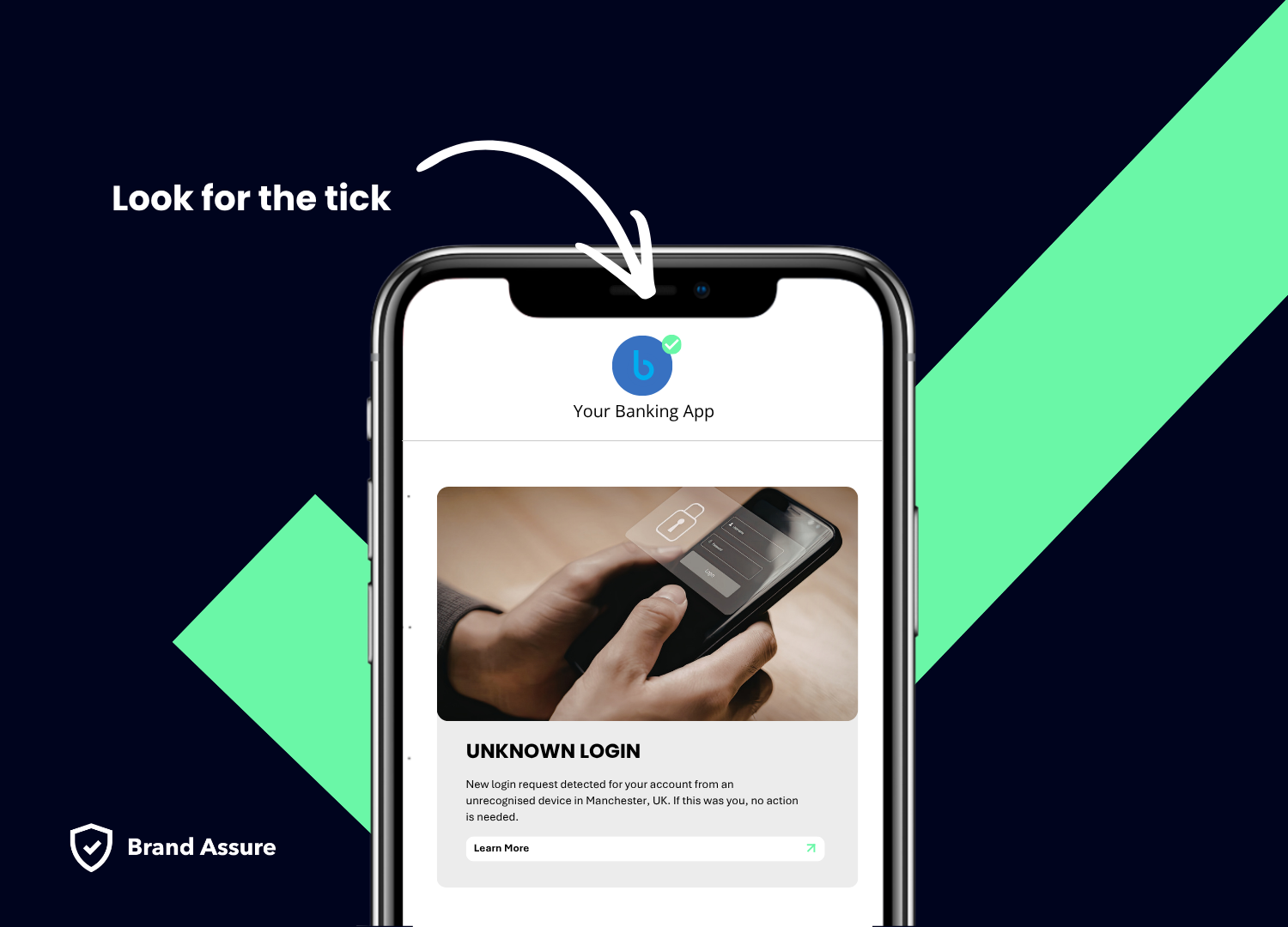
RCS messaging has moved beyond industry hype. With Apple supporting RCS on iOS, Google continuing to expand RCS Business Messaging, and operators aligning around GSMA Universal Profile standards, enterprise messaging teams are paying attention for a different reason: trust.
Enterprise messaging fraud now affects everything from banking alerts and delivery notifications to one-time passwords and customer support conversations. SMS sender spoofing remains a persistent problem across global telecom networks. Consumers have become cautious about clicking links or responding to messages, particularly when they cannot verify who actually sent them.
For enterprises, verified RCS messaging introduces something SMS has historically struggled to deliver consistently: authenticated brand identity directly within the native messaging experience. Instead of a plain text sender ID, customers see a verified business profile with branding, logos, and confirmation that the sender has passed operator and platform verification processes.
For wholesale carriers, CPaaS providers, and enterprise platforms, this is becoming strategically important rather than merely cosmetic.
The shift matters because messaging infrastructure is increasingly judged on security posture, compliance controls, and customer trust rather than delivery alone.
Contents
- What Is RCS Verification?
- Why Enterprise Messaging Trust Is Under Pressure
- SMS vs RCS Verification: The Security Difference
- Why Verification Matters for Financial Services and High-Risk Sectors
- The GSMA Universal Profile and Enterprise Verification
- Why CPaaS Providers and Carriers Care About Verification
- Verification Alone Is Not Enough
- RCS Verification and the Future of Enterprise Messaging
- Key Takeaways
- FAQs
- Discuss Your Enterprise Messaging Requirements
What Is RCS Verification?
RCS verification allows enterprises to authenticate their messaging identity before messages reach customers.
Within RCS Business Messaging, verified sender profiles typically include:
Official business name
Brand logo
Verification badge
Approved sender identity
Rich messaging capabilities
Interactive actions and replies
Unlike traditional SMS, where sender IDs can sometimes be imitated or spoofed, RCS verification introduces a structured approval and validation process tied to the business entity itself.
This matters because SMS infrastructure was never originally designed around modern enterprise identity verification requirements. SMS prioritised interoperability and delivery simplicity. RCS introduces richer identity controls directly into the messaging layer.
The GSMA specifically incorporated sender verification into RCS Business Messaging standards to address fraud, impersonation, and trust concerns.
For enterprise messaging teams, the result is straightforward:
Customers can immediately recognise whether a message genuinely comes from your organisation.
That changes engagement behaviour dramatically.
Why Enterprise Messaging Trust Is Under Pressure
Enterprise messaging volumes continue to rise across:
Banking and fintech
Healthcare platforms
Logistics and delivery services
SaaS applications
Retail and ecommerce
Government communications
Authentication workflows
At the same time, phishing and SMS fraud have become more sophisticated.
Consumers increasingly receive:
Fake delivery notifications
Fraudulent banking alerts
Impersonated customer support requests
Malicious login verification prompts
The consequence is simple: users trust messaging channels less than they did five years ago.
That creates a serious operational challenge for enterprises relying on mobile messaging for:
Authentication
Customer notifications
Payment confirmations
Service alerts
Security warnings
Customer support
When customers hesitate to trust a message, engagement rates decline. Links go unopened. Verification flows fail. Support costs rise.
Verified RCS messaging directly addresses that trust gap by visually authenticating enterprise senders inside the native messaging application itself.
For security-sensitive industries, that becomes commercially valuable very quickly.
SMS vs RCS Verification: The Security Difference
Traditional SMS provides very limited sender authentication.
Alphanumeric sender IDs can improve brand recognition, but they do not provide universal verification. Depending on market and routing structure, sender spoofing risks still exist. International routes can introduce additional complexity, particularly when traffic traverses multiple intermediary networks.
RCS Business Messaging changes the model.
Under RCS verification frameworks:
Businesses undergo approval processes
Sender identities are validated
Branding assets are reviewed
Messaging use cases are assessed
Rich business profiles are linked to verified entities
This creates stronger identity assurance than standard SMS alone.
The technical difference matters because enterprise messaging security increasingly depends on:
Identity assurance
Spam prevention
Traffic legitimacy
Consumer confidence
Fraud reduction
RCS also introduces additional security improvements around spam controls, sender transparency, and modern encryption development within GSMA Universal Profile standards.
Not every deployment currently supports full end-to-end encryption across all ecosystems. However, the direction of travel is clear. GSMA Universal Profile developments continue strengthening interoperability, spam handling, identity verification, and encryption capabilities.
For enterprises evaluating future messaging strategy, verification is no longer optional.
It is becoming foundational.
Why Verification Matters for Financial Services and High-Risk Sectors
Some industries feel the impact of messaging trust failures more severely than others.
Financial services is the obvious example.
Banks, payment providers, and fintech platforms rely heavily on:
One-time passwords
Transaction alerts
Fraud notifications
Account verification
Customer authentication workflows
A spoofed message in this environment creates direct financial risk.
Healthcare faces similar issues. Appointment reminders, patient communications, and authentication links all require high levels of trust and privacy assurance.
Logistics and ecommerce providers face another problem entirely: customer fatigue. Consumers receive huge volumes of delivery updates and promotional messaging. Fraudulent parcel scams have conditioned many users to distrust legitimate notifications.
Verified RCS messaging helps enterprises distinguish genuine communications from malicious impersonation attempts.
The visual verification layer is important, but so is the operational governance behind it:
Verified onboarding
Business validation
Controlled sender approval
Traffic oversight
Platform compliance
These controls align closely with broader enterprise security expectations already familiar from regulated telecom infrastructure, ISO 27001 environments, and enterprise compliance frameworks.
For enterprises operating in regulated sectors, that alignment matters.
The GSMA Universal Profile and Enterprise Verification
The GSMA Universal Profile remains central to RCS interoperability and verification standards.
The Universal Profile was created to establish consistent RCS implementation across:
Operators
Device manufacturers
Mobile ecosystems
Messaging providers
Without it, RCS fragmentation would have limited adoption significantly.
The framework now includes support for:
Business messaging
Spam protection
Rich cards
Verification controls
Identity management
Messaging interoperability
GSMA documentation specifically highlights sender verification as a core element of RCS Business Messaging architecture.
That standardisation is important for enterprises because it reduces operational uncertainty.
Enterprise messaging teams need predictable interoperability across:
Android ecosystems
Carrier environments
International routes
Enterprise messaging platforms
As RCS adoption expands globally, verification consistency becomes commercially critical for:
International carriers
CPaaS platforms
SaaS providers
Enterprise communication teams
Without consistent verification frameworks, trust breaks down again.
Why CPaaS Providers and Carriers Care About Verification
Verification is not only important for enterprises. It matters equally for wholesale messaging providers.
CPaaS platforms and carriers increasingly face pressure around:
Fraud management
Route integrity
Spam prevention
Regulatory compliance
Brand protection
Traffic quality
Enterprise customers now expect messaging providers to support:
Verified identities
Fraud mitigation
Regulatory compliance
Trust controls
Enterprise-grade governance
RCS verification directly supports those expectations.
For CPaaS providers, verified RCS messaging creates:
Higher trust enterprise offerings
Stronger customer engagement
Improved delivery credibility
Reduced fraud exposure
Better enterprise positioning
For operators and MNOs, verification helps protect network quality and messaging reputation.
That is particularly important as operators globally continue tightening controls around:
A2P messaging
Spam traffic
Artificial inflation of traffic
Fraudulent routing
Grey routes
The industry is moving steadily toward authenticated messaging ecosystems rather than open, loosely verified traffic environments.
Verification Alone Is Not Enough
There is an important caveat here.
Verification improves trust substantially, but it does not eliminate enterprise messaging risk entirely.
Security still depends on:
Proper onboarding controls
Route governance
Spam monitoring
Traffic filtering
Compliance oversight
Data protection practices
Infrastructure resilience
An enterprise using RCS Business Messaging still needs a provider with:
Strong compliance frameworks
Direct operator relationships
Reliable routing visibility
Enterprise-grade infrastructure
Security governance
This is where infrastructure providers matter.
Verification works best when supported by compliant network infrastructure underneath it.
RCS Verification and the Future of Enterprise Messaging
Enterprise messaging is gradually converging around three priorities:
Richer customer experiences
Stronger security
Verified identity
RCS aligns with all three.
The industry momentum is increasingly difficult to ignore:
Apple support for RCS
Expanded GSMA Universal Profile development
Growing operator adoption
Enterprise demand for verified messaging
Increased fraud prevention requirements
At the same time, enterprises are becoming more selective about messaging providers.
Delivery alone is no longer enough.
Security posture matters.
Compliance matters.
Identity assurance matters.
Verified RCS messaging helps enterprises protect customer trust while improving engagement and reducing impersonation risks. For regulated industries and enterprise communication platforms, that combination is commercially significant.
The organisations that adopt verified messaging frameworks early are likely to gain an advantage in customer trust, particularly as messaging fraud continues to rise globally.
Key Takeaways
RCS verification authenticates enterprise sender identities within native messaging apps
Verified business messaging helps reduce fraud and impersonation risks
GSMA Universal Profile standards support interoperable RCS verification frameworks
Enterprise trust in messaging channels is becoming a major commercial issue
Financial services, healthcare, logistics, and SaaS platforms benefit significantly from verified messaging
CPaaS providers and carriers increasingly require stronger messaging governance and trust controls
Verification improves security posture but still depends on compliant infrastructure and responsible routing practices
FAQs
-
Verified RCS messaging allows businesses to authenticate their brand identity within RCS Business Messaging platforms. Customers see verified sender details, branding, and business profiles directly in their messaging applications. This helps reduce spoofing and improves trust.
-
RCS introduces stronger identity controls, richer spam protection mechanisms, and evolving encryption support compared with traditional SMS. While implementation varies across ecosystems and carriers, RCS generally provides stronger security and verification capabilities for enterprise messaging.
-
Sender verification helps customers confirm that messages genuinely come from the organisation they expect. This reduces fraud risk, improves engagement, and strengthens trust in enterprise communications.
-
Yes. RCS Business Messaging typically requires businesses to complete onboarding and sender verification processes before launching campaigns. Verification helps maintain messaging quality and prevent impersonation abuse.
-
Financial services, healthcare, ecommerce, logistics, SaaS platforms, and government services benefit strongly because they rely heavily on trusted customer communications and authentication workflows.
-
Not immediately. SMS remains globally important for universal reach and fallback messaging. However, RCS adoption continues to grow rapidly, particularly for enterprise messaging use cases that benefit from verification, branding, and interactive experiences.
For enterprises, carriers, and CPaaS platforms evaluating secure messaging infrastructure, verification is becoming an increasingly important part of long-term messaging strategy.