Why Fake Text Message Scams Are Increasing
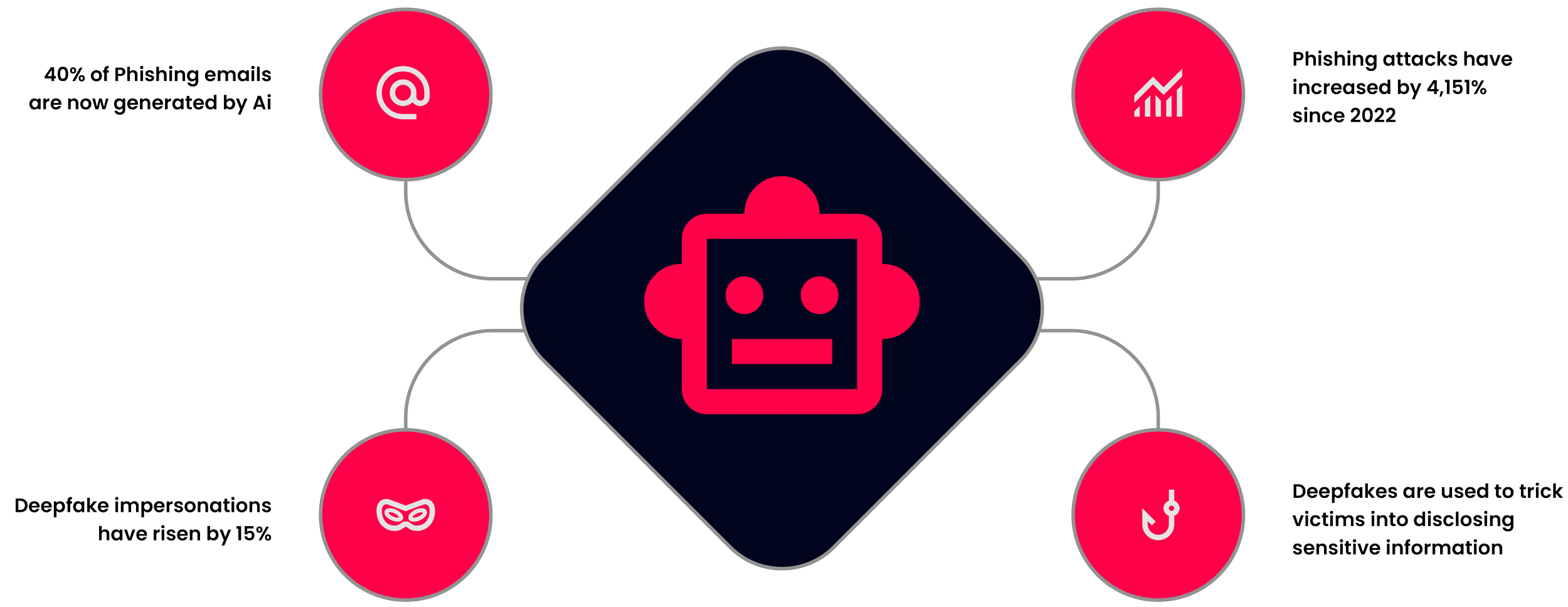
Fake text message scams are no longer occasional annoyances. They’ve become one of the fastest growing forms of fraud worldwide.
Banks, delivery companies, mobile operators, government agencies and even colleagues are being impersonated daily through SMS phishing attacks, often called “smishing”. The messages look convincing. The links appear legitimate. And the tactics are getting more sophisticated every month.
According to the US Federal Trade Commission, consumers reported losing $470 million to text message scams in 2024 alone. That figure is five times higher than losses reported in 2020.
For businesses, the problem goes far beyond individual fraud losses. Fake text scams damage customer trust, increase support costs, create compliance risks, and place pressure on messaging providers and mobile network operators to improve filtering and authentication controls.
This matters to any organisation using SMS for customer communication.
Contents
- The Scale of the Fake Text Message Problem
- Why Fake Text Message Scams Work So Well
- Smishing Has Become Industrialised
- SMS Blasters Are Creating a New Threat
- Why Businesses Are Also Being Targeted
- The Telecom Industry’s Role in Fighting SMS Fraud
- Why Regulation Is Becoming More Aggressive
- How Businesses Can Reduce Exposure to Fake Text Message Scams
- The Future of Fake Text Message Scams
- What This Means for SMS Providers and Enterprise Platforms
- Frequently Asked Questions
- Key Takeaways
The Scale of the Fake Text Message Problem
The growth is significant, and the numbers continue moving in the wrong direction.
The FTC reported that losses linked to text scams reached $470 million in 2024. More concerning is the increase in successful attacks. In 2020, only 5% of reported text scams involved financial loss. By 2024, that figure had risen to 11%.
Consumer Reports also found that text and messaging scam attempts increased by 50% during 2025.
The telecom industry has seen similar trends across UK and international networks:
Increased SMS phishing campaigns impersonating delivery firms
Fake banking authentication requests
Toll payment scams
HMRC impersonation messages
Two-factor authentication interception attempts
“Wrong number” scams designed to start social engineering conversations
Researchers analysing millions of user-reported scam texts found that fraudsters continually adapt language and infrastructure to avoid carrier detection systems.
That adaptability explains why blocking fake text messages has become far more difficult than traditional spam filtering.
Why Fake Text Message Scams Work So Well
SMS still carries a level of trust that email lost years ago.
Most people associate text messages with legitimate communication:
Delivery notifications
Banking alerts
Verification codes
Appointment reminders
Mobile operator updates
Scammers exploit that trust.
Unlike email inboxes, SMS interfaces often provide less context. Mobile screens are smaller. URLs are shortened. Sender names can be spoofed in some circumstances. Users react quickly because texts feel urgent and personal.
A fake delivery text saying “your parcel is waiting” creates immediate pressure.
So does a banking message warning of suspicious account activity.
Fraudsters understand human behaviour remarkably well.
Research into SMS phishing susceptibility found that even security-aware users regularly misidentified scam messages as legitimate when the message referenced a service they genuinely used.
That’s the critical point.
Modern fake text scams succeed less because of technical sophistication and more because they exploit familiarity, urgency, and routine behaviour.
Smishing Has Become Industrialised
Five years ago, many SMS scams were poorly written and relatively easy to identify.
That has changed.
Today’s fake text message operations often function like organised businesses:
Dedicated phishing kit developers
SMS delivery infrastructure providers
Fraud-as-a-service marketplaces
AI-generated message variations
Automated domain registration
Bulk SIM operations
International routing abuse
The barriers to entry have fallen sharply.
Fraudsters can now buy ready-made phishing kits designed to impersonate banks, toll operators, delivery companies, and government agencies. Some campaigns register thousands of fake domains at scale.
Large language models are also making scam content more convincing.
Older phishing messages frequently contained spelling mistakes or awkward grammar. AI-generated scam texts are cleaner, more natural, and better localised for UK audiences.
That matters because traditional warning signs are disappearing.
SMS Blasters Are Creating a New Threat
One of the more alarming developments is the rise of “SMS blasters”.
These portable devices mimic mobile towers and force nearby phones onto insecure 2G connections. Once connected, the device can broadcast fake text messages directly to nearby phones without using traditional carrier routing.
This changes the security model entirely.
Normally, mobile operators apply spam filtering, traffic analysis, and fraud detection controls within their messaging infrastructure. SMS blasters bypass many of those protections because the messages do not travel through normal network paths.
UK authorities have already warned about real-world SMS blaster attacks targeting London users with fake HMRC refund messages.
For telecom operators and enterprise messaging providers, this creates a difficult challenge:
Traditional filtering systems cannot stop traffic they never see.
That’s why the industry is increasingly focused on network-level security improvements, 2G retirement strategies, signalling security, and stronger authentication mechanisms.
Why Businesses Are Also Being Targeted
Fake text message scams are not limited to consumers.
Businesses are increasingly targeted because SMS is deeply integrated into operational workflows:
Multi-factor authentication
Employee verification
Customer communications
Payment confirmations
Delivery updates
Internal alerts
A convincing fake message sent to an employee can compromise:
Corporate credentials
Banking access
CRM systems
Cloud infrastructure
Customer databases
The FTC has warned that businesses themselves are being targeted through increasingly sophisticated text scams.
For enterprises using SMS at scale, the risks extend further:
Brand impersonation
Customer trust erosion
Increased complaint volumes
Regulatory exposure
Higher support costs
Reduced message engagement rates
This is one reason why regulated MNOs and wholesale telecom providers now place far greater emphasis on fraud controls, traffic monitoring, and sender verification.
The Telecom Industry’s Role in Fighting SMS Fraud
Mobile operators, wholesale carriers, and CPaaS providers sit directly in the middle of the fight against fake text message scams.
That responsibility has grown substantially over the last few years.
Network providers now deploy multiple layers of fraud prevention:
SMS Firewalling
SMS firewalls analyse message traffic patterns, URLs, sender behaviour, and known fraud indicators before messages reach end users.
Traffic Monitoring
Suspicious routing behaviour, abnormal traffic spikes, and unusual international patterns can indicate fraud campaigns.
URL Filtering
Many operators actively block known phishing domains embedded within text messages.
Sender Verification
A2P messaging providers increasingly use verified sender identities to reduce spoofing risks.
Signalling Security
SS7 and signalling protections help reduce certain forms of interception and manipulation.
Fraud Intelligence Sharing
Operators collaborate through industry groups and security networks to identify emerging threats quickly.
Still, fraudsters continuously adapt.
Research analysing 1.35 million user scam reports found that attackers constantly modify message wording, domains, and infrastructure to evade filtering systems.
This is why telecom fraud prevention is an ongoing operational challenge rather than a one-time technical fix.
Why Regulation Is Becoming More Aggressive
Regulators worldwide are placing increasing pressure on telecom providers to reduce scam traffic.
In the UK, Ofcom has intensified its focus on nuisance communications, scam prevention, and network security responsibilities.
Globally, regulators increasingly expect operators and messaging providers to:
Monitor fraudulent traffic actively
Maintain anti-spam controls
Cooperate with law enforcement
Improve customer reporting mechanisms
Strengthen identity verification
Reduce spoofing opportunities
The FCC also continues tightening rules around automated messaging and consent obligations.
For wholesale messaging providers and enterprises, compliance is becoming more important commercially as well as legally.
Businesses want reassurance that their messaging partners can:
Protect traffic integrity
Maintain delivery quality
Minimise fraudulent activity
Support regulatory compliance
Protect customer trust
That requirement increasingly favours established, regulated operators with direct network relationships and mature fraud management capabilities.
How Businesses Can Reduce Exposure to Fake Text Message Scams
No single control eliminates SMS fraud completely.
But organisations can reduce exposure significantly through a combination of operational, technical, and user-focused measures.
Use Trusted Messaging Providers
Businesses should work with regulated telecom providers that maintain direct operator relationships, active fraud controls, and transparent routing visibility.
Limit Link Usage
Messages containing links are more likely to trigger suspicion from customers and filtering systems alike.
Where possible:
Use branded domains
Avoid shortened URLs
Keep messaging consistent
Direct customers toward official apps
Educate Staff and Customers
Awareness remains essential.
Employees should understand:
Common phishing tactics
Verification procedures
Reporting processes
MFA protection risks
Customers should know:
What legitimate messages look like
Which domains are genuine
How the company communicates
Monitor Messaging Reputation
Businesses sending large-scale SMS traffic should actively monitor:
Delivery rates
Complaint levels
Blocking incidents
Customer feedback
Fraud reports
Secure Authentication Systems
SMS-based authentication still has value, but organisations should consider layered security approaches where appropriate:
App-based MFA
Passkeys
Risk-based authentication
Device verification
The Future of Fake Text Message Scams
Unfortunately, the problem is unlikely to disappear soon.
Several trends suggest fake text message scams will continue evolving:
AI-generated phishing campaigns
More convincing impersonation tactics
Automated multilingual scam generation
Advanced social engineering
Growth of SMS blaster attacks
Increased targeting of enterprise systems
At the same time, telecom providers are improving fraud detection capabilities through:
Machine learning traffic analysis
Better signalling security
Shared fraud intelligence
Enhanced sender authentication
Stronger network controls
The challenge is fundamentally asymmetric.
Fraudsters only need one successful tactic.
Operators and enterprises must defend against thousands.
That’s why trusted infrastructure, regulatory compliance, and direct operator relationships matter more than ever in wholesale messaging.
What This Means for SMS Providers and Enterprise Platforms
For businesses using SMS as part of customer communication, trust has become the defining issue.
Customers will continue using SMS for authentication, alerts, and transactional messaging only if they believe the channel remains credible.
That creates pressure across the entire messaging ecosystem:
Mobile operators
CPaaS providers
Wholesale carriers
SaaS platforms
Enterprise brands
Frequently Asked Questions
-
A fake text message scam, often called smishing, is a fraudulent SMS designed to trick recipients into sharing personal information, clicking malicious links, or making payments. Common examples impersonate banks, delivery companies, HMRC, or mobile operators.
-
SMS scams are increasing because fraud tools have become cheaper and more sophisticated. AI-generated messages, phishing kits, bulk messaging infrastructure, and SMS blaster devices allow scammers to run convincing campaigns at scale. Consumer trust in text messages also remains relatively high compared to email.
-
An SMS blaster is a portable device that imitates a mobile phone tower and broadcasts scam messages directly to nearby phones using fake 2G connections. These attacks bypass many traditional carrier filtering systems.
-
Operators use SMS firewalls, URL filtering, signalling security, traffic analysis, sender verification, and fraud intelligence sharing to detect and block suspicious traffic. However, scammers continuously adapt their tactics to avoid detection.
-
Yes. Businesses are increasingly targeted through phishing attacks aimed at employees, authentication systems, and customer communication channels. Fake texts can lead to credential theft, financial fraud, and reputational damage.
Key Takeaways
Fake text message scams are increasing because the economics favour attackers.
The tools are cheap. The campaigns scale easily. And SMS remains a highly trusted communication channel.
At the same time, fraud tactics are evolving rapidly:
AI-generated phishing messages
SMS blasters
Infrastructure abuse
Brand impersonation
Enterprise targeting
For telecom providers and businesses using SMS, fraud prevention is now a core operational requirement rather than a secondary security concern.
The organisations best positioned to manage that risk are those working with regulated operators, direct interconnect partners, and messaging providers that combine technical visibility with strong compliance and fraud management controls.
If your organisation relies on SMS infrastructure, A2P messaging, or wholesale telecom services, understanding these risks is no longer optional. It’s part of protecting both your customers and your brand.